
Strengthening Practical Learning Through ‘Leaders in Teaching’ (LIT) in Tanzania
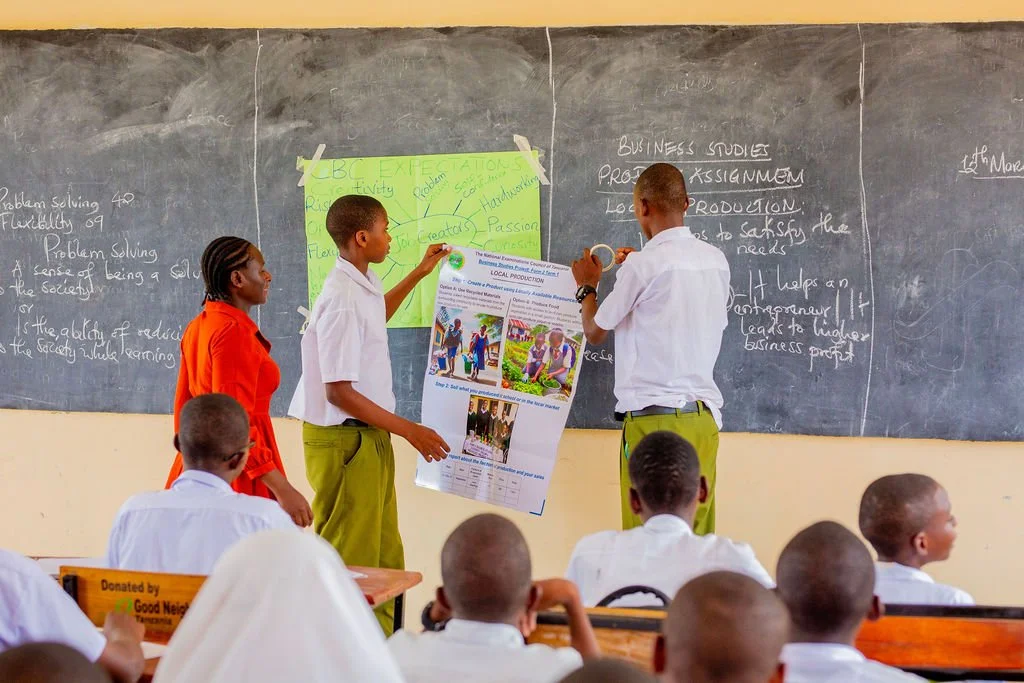
Across Tanzania, secondary school classrooms are beginning to look different. Students are engaging in hands-on projects, applying lessons to real-world challenges, and playing a more active role in their learning.
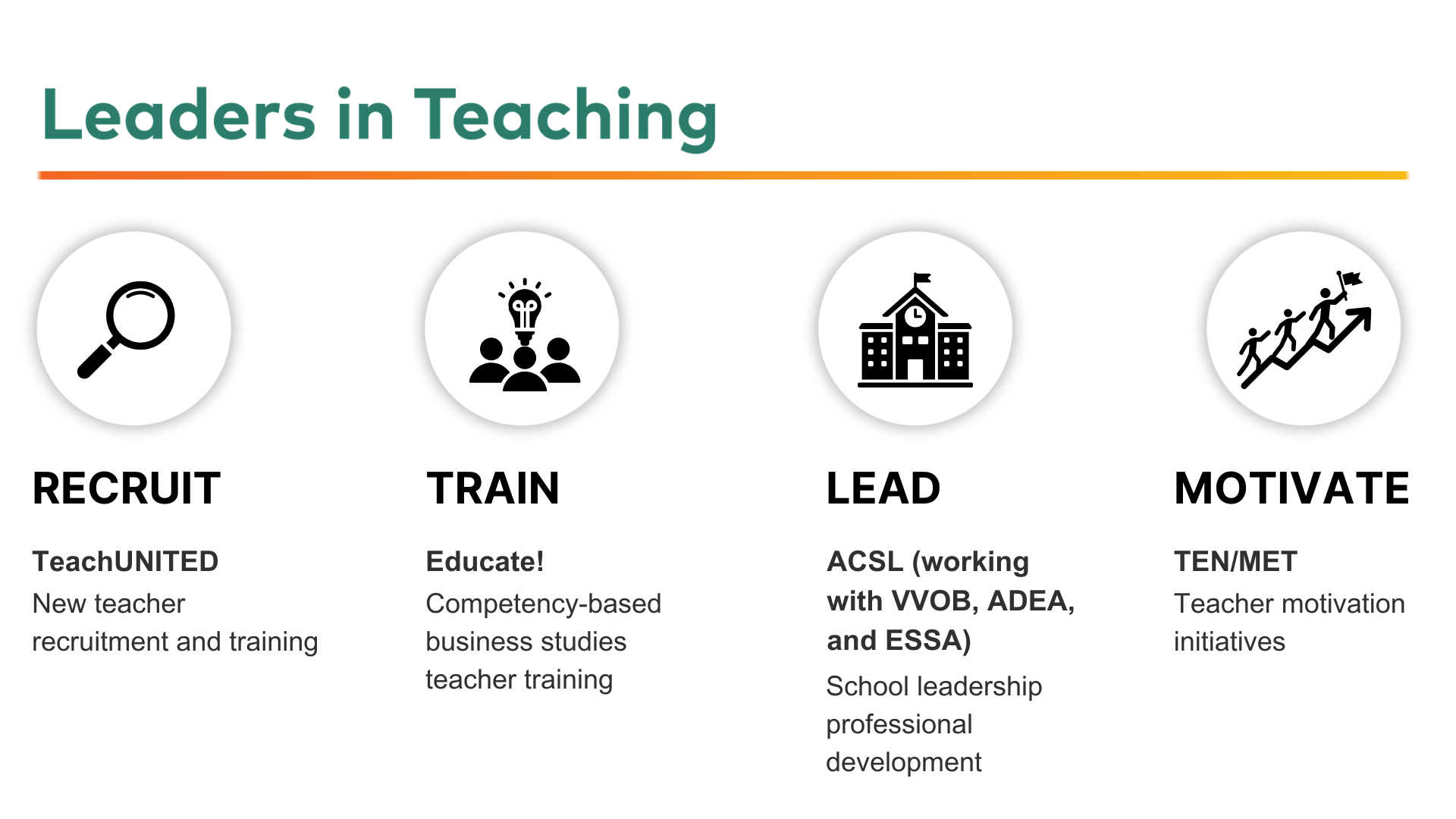
Educate! is supporting this shift through its role in Leaders in Teaching (LIT) Tanzania. LIT is a Mastercard Foundation initiative supporting government-led efforts to strengthen secondary teaching and learning, equipping young people with the 21st century skills needed for employment, lifelong learning, and adult life.
In close partnership with the government, the initiative brings together education and development partners across four complementary pillars: RECRUIT (TeachUNITED), TRAIN (Educate!), LEAD (African Centre for School Leadership), and MOTIVATE (Tanzania Education Network/Mtandao wa Elimu Tanzania (TEN/MET)).
The African Centre for School Leadership works in collaboration with VVOB - education for development, Association for the Development of Education in Africa (ADEA), and Education Sub Saharan Africa (ESSA).
For Educate!, this work reflects a broader mission to make secondary education more relevant to today’s labor market by supporting national education reforms that prioritize practical, employment-focused learning.
Preparing Tanzania’s Teachers and Classrooms for the Future
Leading up to the formal launch of LIT Tanzania, Educate! worked alongside the Tanzania Institute of Education (TIE) to support the shift toward more practical, skills-driven learning in secondary schools.
Through this collaboration, Educate! contributed to the development of the syllabus and learning materials for the new Business Studies subject, introduced as a compulsory subject in lower secondary education in 2025. The subject connects classroom learning to real-world application through project-based learning, enabling students to plan, launch, and earn from small enterprises while still in school.
Under LIT Tanzania’s TRAIN pillar, Educate!, in collaboration with the Prime Minister's Office – Regional Administration and Local Government (PMO-RALG) and TIE, is now supporting teachers to deliver the revised competency-based curriculum.
Advancing Tanzania’s MEWAKA Framework
This work is being advanced through Tanzania’s existing national framework for teacher professional development, known by its Swahili acronym, MEWAKA.
Originally introduced at the primary level in 2020 and now expanding to secondary education, MEWAKA is a government-led initiative designed to strengthen continuous teacher development through mentorship and structured support.
In early 2025, Educate! and the government of Tanzania leveraged MEWAKA to recruit and train Business Studies Mentors. These mentors play a critical role in bridging policy and practice — supporting teachers and school leaders to implement project-based learning and assessment, and to guide student mentorship in real classroom settings.
During the induction, a total of 27 mentors (17 women and 10 men) were trained across both instructional and safeguarding priorities, including child protection, lesson planning, and project-based methodologies. Mentors were also oriented on how to provide teachers with classroom-level support during regular school visits.
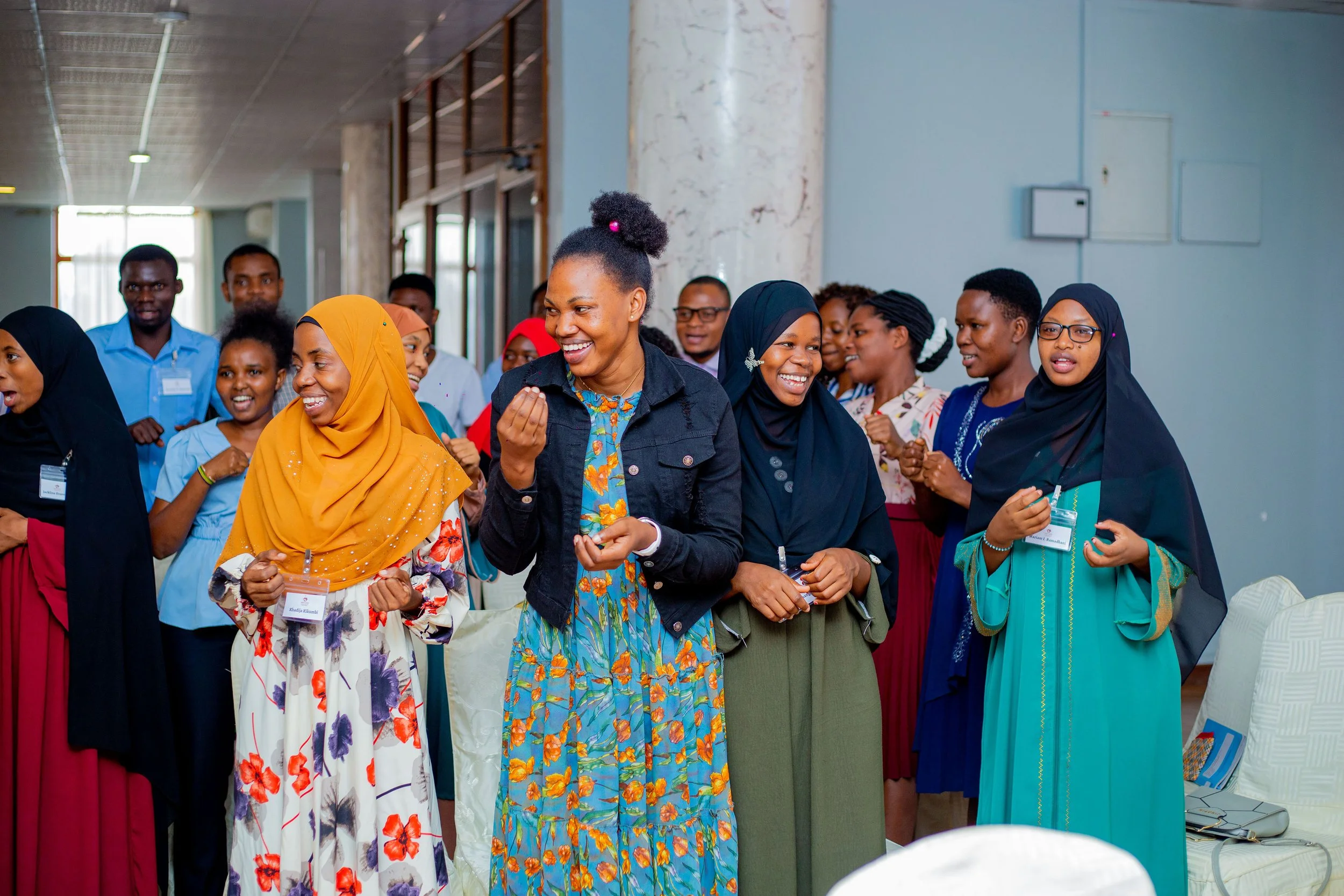
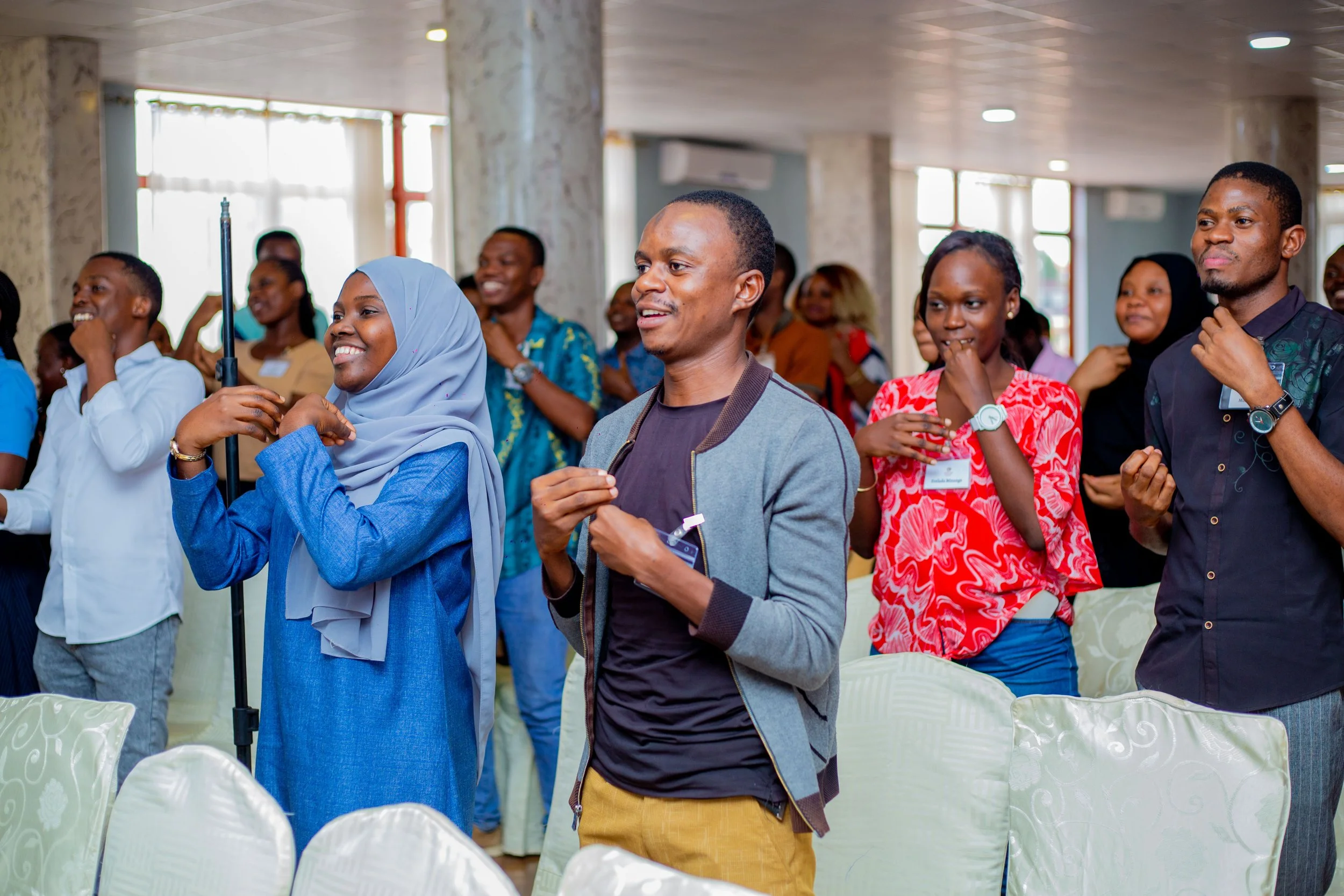

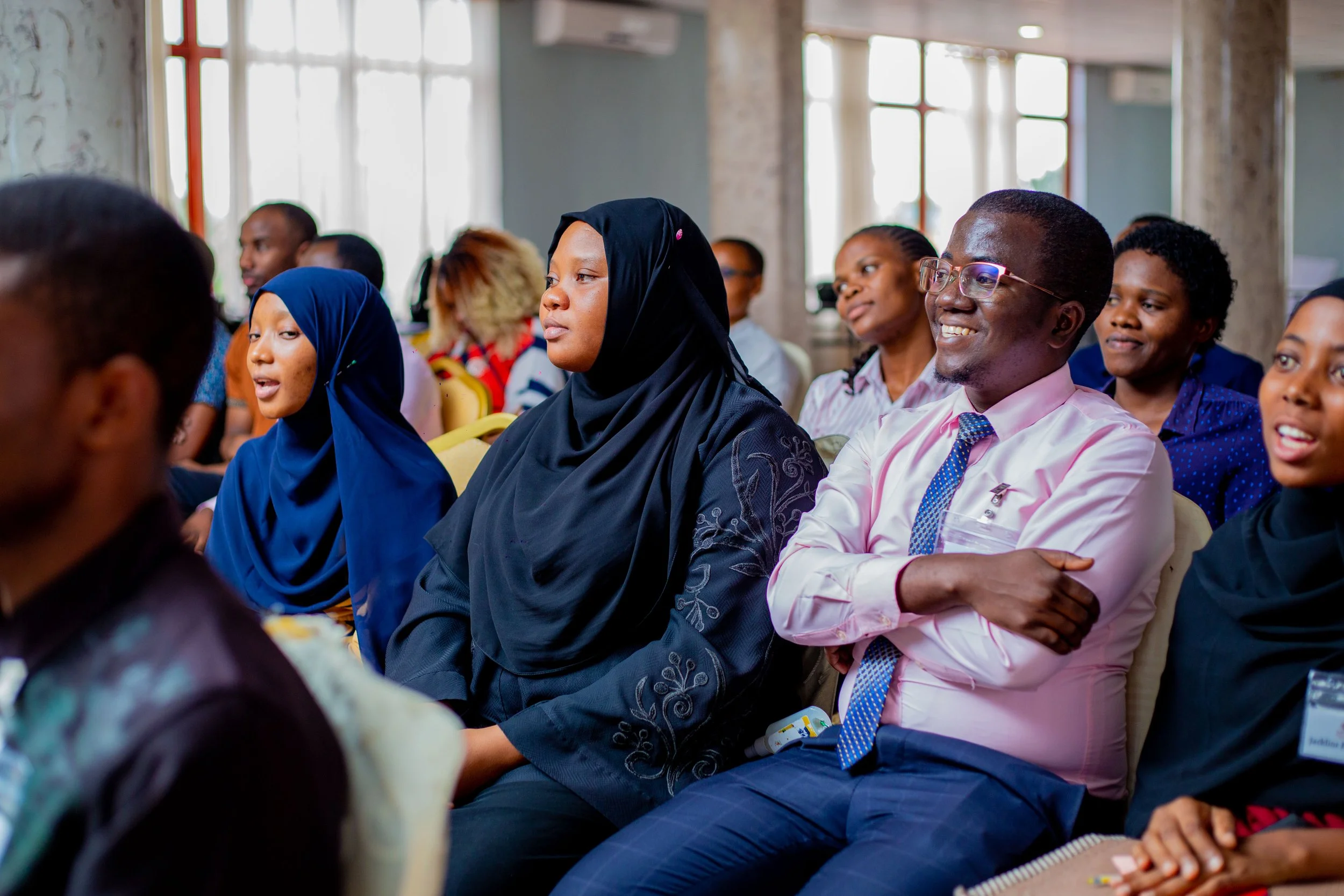
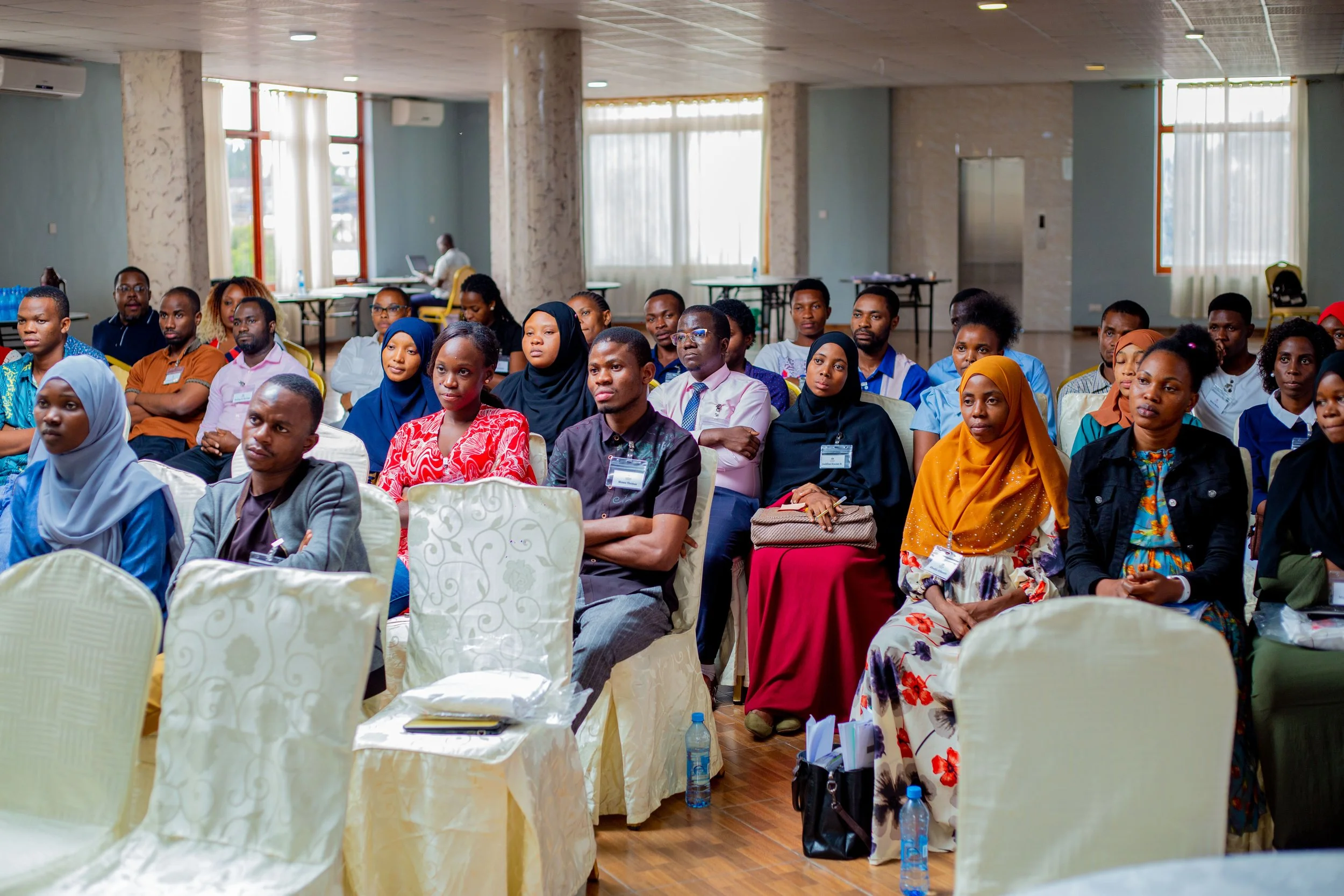
Business Studies Mentors at the induction training.
Following the initial induction, the Business Studies Mentors supported the National Subject Orientation for newly recruited Business Studies teachers. A total of 1,964 Business Studies teachers were trained during the orientation in May 2025. Out of these, 317 teachers across 300 schools in 18 districts are receiving targeted in-school coaching, while the rest are receiving virtual support. By equipping teachers with the skills to deliver the new curriculum, these efforts are expected to reach 333,256 students in the first year of secondary school.
Overall, this approach is helping to ensure that curriculum reform translates into meaningful change: classrooms where students actively build skills, apply knowledge, and begin shaping their own economic futures.
Pedagogical Shifts Drive Tangible Impact
Early observations indicate a clear shift from theory-heavy instruction toward more practical, student-centered learning.
Seralin Sawa, a Business Studies teacher at Dar es Salaam Secondary School, describes this transformation.
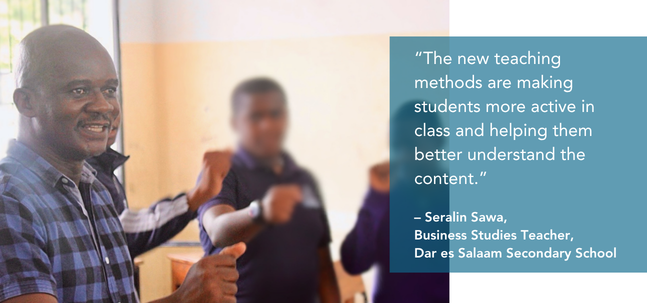
Seralin using active teaching methods in his Business Studies classroom
This approach is translating into action beyond the classroom. At one secondary school in Bagamoyo, a group of students applied a lesson in opportunity identification, launching a bicycle repair business after noticing that many community members rely on bikes for daily needs. Other students have put their business concepts into practice through enterprises such as shoe-making, hair-dressing and farming projects.

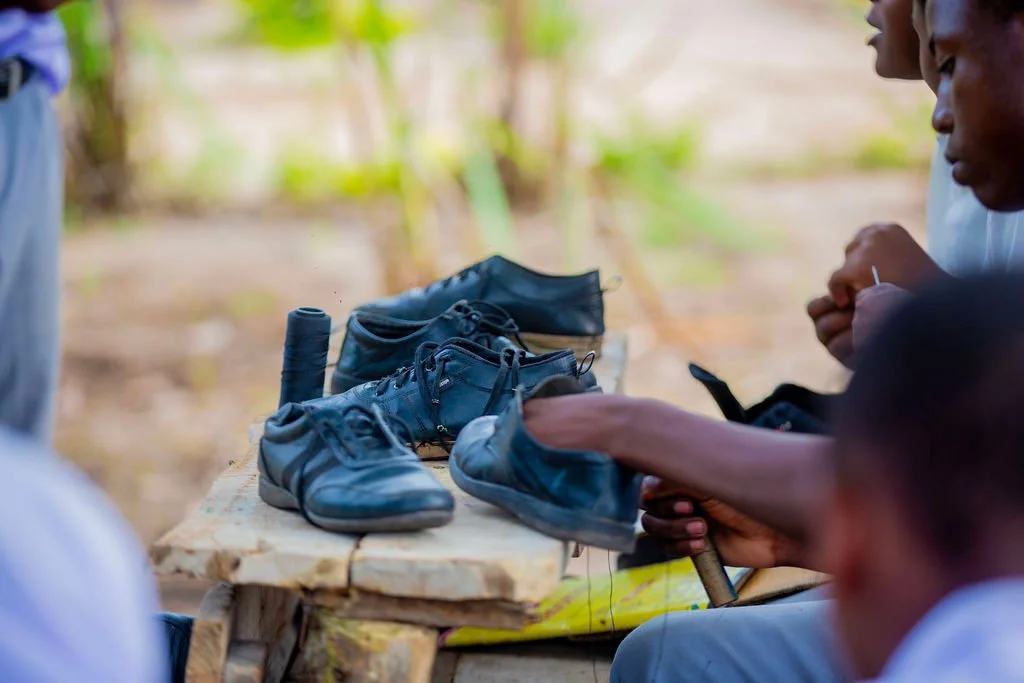

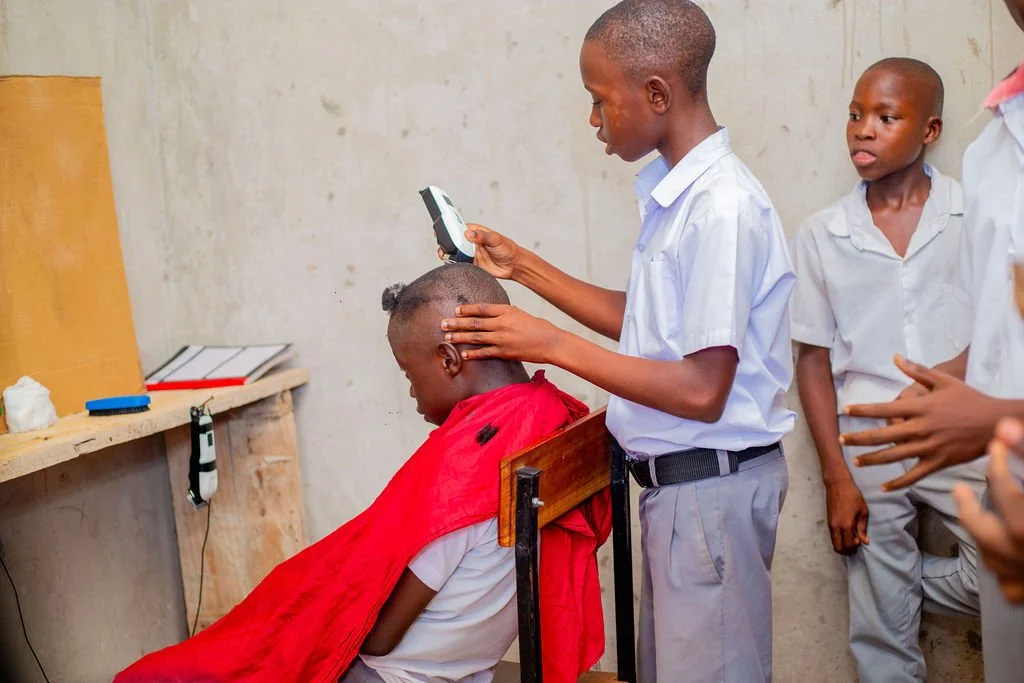



Student enterprises in Bagamoyo include a bicycle repair business, shoe-making, hair-dressing, farming projects and arts and crafts.
These examples show how supporting teachers to ground learning in real-world application enables students to identify opportunities and act on them — benefiting both their households and their futures.
Building System-Level Support
This progress is being reinforced at multiple levels of the system.
In September 2025, Educate! partnered with PMO-RALG to deliver a School Administrator Orientation for Business Studies, reaching 676 school leaders and administrators. The orientation equipped school leaders with the knowledge and tools to support Business Studies by strengthening curriculum understanding, assessment alignment, and instructional leadership for effective classroom implementation.
In February 2026, over 248 Ward Education Officers were oriented on implementation of competency-based learning. As key linkages between schools and the Local Government Authority (LGA), these officers play a critical role in supporting school leaders and subject teachers through regular school visits — ensuring the curriculum translates into practical action in classrooms and beyond.
Alongside this, Educate! is strengthening the role of technology in learning. In partnership with PMO-RALG and TIE, teachers participated in hands-on training to build practical digital skills and AI literacy, including using digital tools for lesson planning, feedback, reflection, and national assessment processes.
Looking Ahead: Turning Progress Into Sustainable Change in Classrooms
Through work under the TRAIN pillar, Educate! is helping to move LIT from alignment to action, turning collaboration into real change in classrooms across Tanzania.
As this work continues to scale, the focus remains on supporting teachers and school leaders to apply student-centered, skills-based approaches in everyday teaching. The goal is lasting: classrooms where students build practical skills, take initiative, and shape their own pathways toward employment and entrepreneurship.
Alongside the government and LIT partners, Educate! is ensuring that competency-based learning does not remain on paper, but takes root in classrooms.